Here are some definitions to help models and photographers communicate and understand each other better. Knowing the definitions will minimize misunderstandings.
TYPES OF SHOOTS:
PAID SHOOTS
Getting paid if often the primary goal of models. Generally pay rates are determined on an hourly basis and vary by the type of content being shot. If you are getting paid, generally, that is considered your compensation. Please note that if you are being paid, it is generally NOT EXPECTED that a photographer will also return copies of ANY of the images to you. If, as a model, a photographer is paying you, it is not their responsibility to help build your portfolio. Photographers MAY decide to return a couple of photos out of the kindness of their heart, but it is worth noting that this is NOT a requirement and considered a kindness.
If you need content for your portfolio, social media, or especially for paid sites (OF, Fansly etc.), then you need to seriously consider shooting TFP / trade or PAYING a photographer for their time. Professional photographers and videographers will rarely consider paying a model to create content for them – that would by silly.
TFP AND TRADE SHOOTS
You can think of TFP and trade shoots as collaboration work.
TFP stands for Time For Prints or Trade For Prints and is a legacy left over from back in the 35mm film days. Before digital photography was a thing, there was a LOT of time, money, and effort that went into purchasing film, chemicals for developing, light room equipment etc. Additionally, developing negatives and creating prints took a significant amount of time (far more time than you are currently thinking it takes while you are reading this). Every single print could take up to an hour or more to produce, let alone developing time for negatives.
As such, when a model donates their time for a photographer without getting paid, it is expected, that in return, they will get content back from the photographer in a timely manner. It is worth noting that a ‘timely manner’ can still be several months. Editing digital photos can still take a long time and there can also be backlogs.
IF YOU ARE EXPECTING CONTENT BACK AT ALL, CONSIDER SHOOTING TFP OR TRADE!
ABOVE AND BEYOND
Another option to consider is the ‘going above and beyond’ principal. If you are looking to get some content back but still need to get paid, talk to the photographer / videographer about going above and beyond in exchange for content. An example being, if you schedule a paid shoot with a photographer for 2 hours, ask if they would be willing to trade all or part of the content in exchange for shooting an extra hour unpaid, or a small number of photos that are more risqué than the rest of the shoot (perhaps topless if the rest of the shoot is not) . The question should always be, if I want extra (ie, content AND pay), what exchange am I willing to make to get it? Remember that if you are getting paid, THAT is normally all of your compensation and getting any content back is normally not part of the deal.
LEVELS OF NUDITY:
LINGERIE / SWIMSUIT / BIKINI
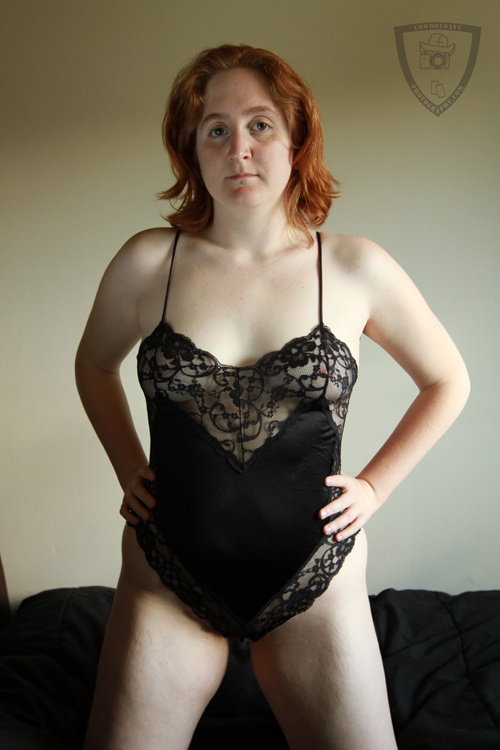
Lingerie shoots can be tricky. Models that are not comfortable with nudity are often OK with lingerie and swimwear. It is worth noting that lingerie can be ‘see-through’ or very revealing. Make sure to set your boundaries on your comfort levels and carefully look over lingerie before agreeing to wear it. It is also noteworthy that it is perfectly acceptable to change your mind about an outfit upon seeing yourself in it or asking to have a test image taken that can be deleted to see how much can be seen by the camera and lighting etc.
IMPLIED NUDITY
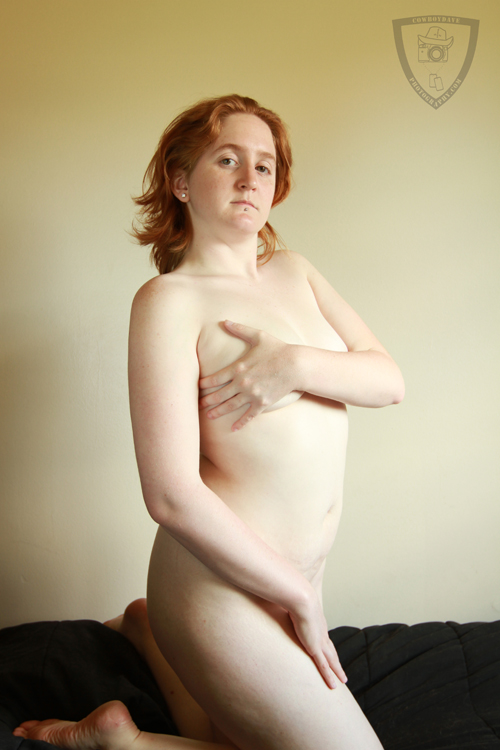
Implied nudity is when a model is comfortable being nude, but does not want any erogenous zones to show (no breasts / nipples, crotch showing). It is worth noting that the butt crack is NOT considered an erogenous zone unless more explicit parts can also be seen.
PARTIAL NUDITY
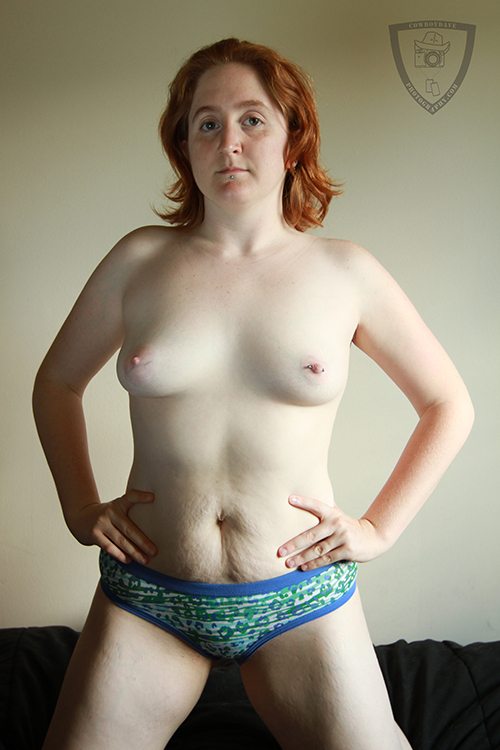
Some models are comfortable with some nudity but not full nudity. Partial nudity is when EITHER the breast OR the crotch area is exposed, but not both. Some models are comfortable with certain parts of their body being seen but not others. If this applies to you, set those boundaries and expectations in advance but make it clear to the photographer what is or is not OK. You want them to follow your boundaries, so make is easy for them by making those boundaries clear.
BODYSCAPES
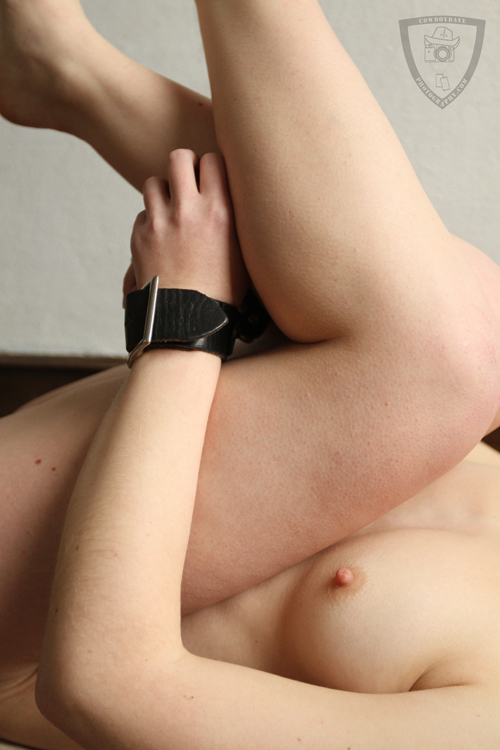
Bodyscapes are a niche sub-sect of nude photography. Bodyscapes involve extreme close-ups of body parts, but are not normally erotic in nature. They CAN but DO NOT automatically include erogenous zones. The idea is to show the body as a unique landscape, in an unusual position, or from a unique perspective. BODYSCAPES ARE ASSUMED TO INVOLVE NUDITY. After all, as mentioned above, the entire idea is to show the human body as a landscape. It is important to have good communication about what is and is not acceptable to be shown in a photo or video (breasts / nipples, pubic region etc). It is noteworthy to again point out that the butt crack in upon itself, is NOT considered an erogenous zone.
FULL NUDITY WITH IDENTITY CONCEALED
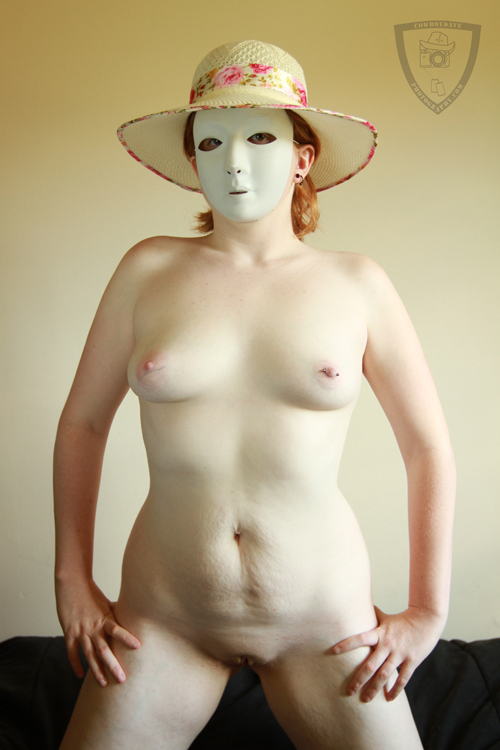
A model’s identity can be concealed in a number of ways, such as wearing a mask, having a model always look away, hide their face with their hair, only shooting from the neck down, editing out identifying marks or tattoos, or putting a black bar across the eyes or whole face. Some models are comfortable with full nudity, but feel the need to conceal their identity due to a large range of reasons, often due to work, or social reasons. This is an option for those who have those concerns. NOTE, the more heavily tattooed you are or the more unique identifying marks and piercings you have, the more difficult this will be to achieve for the photographer / videographer.
FULL NUDITY
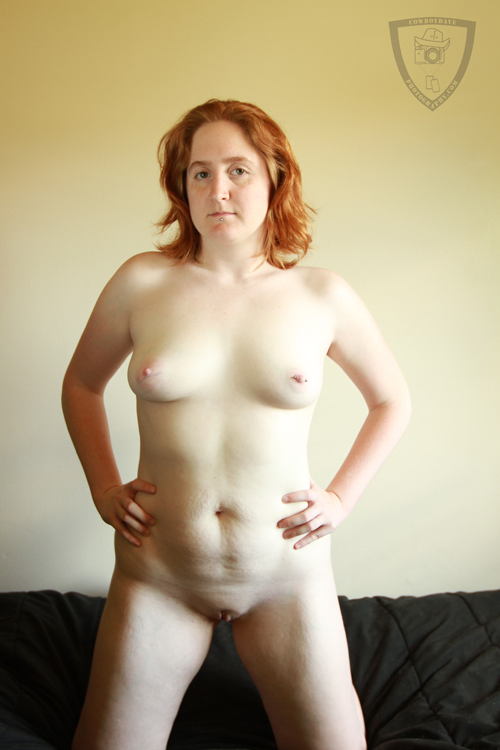
Full nudity is exactly what is sounds like, the model is fully naked. Full nudity DOES NOT automatically involve ‘open leg’, ‘close ups’, or images that are erotic in nature. In full nudity nothing is covered and no attempt to conceal the body is made.
LIGHT BONDAGE
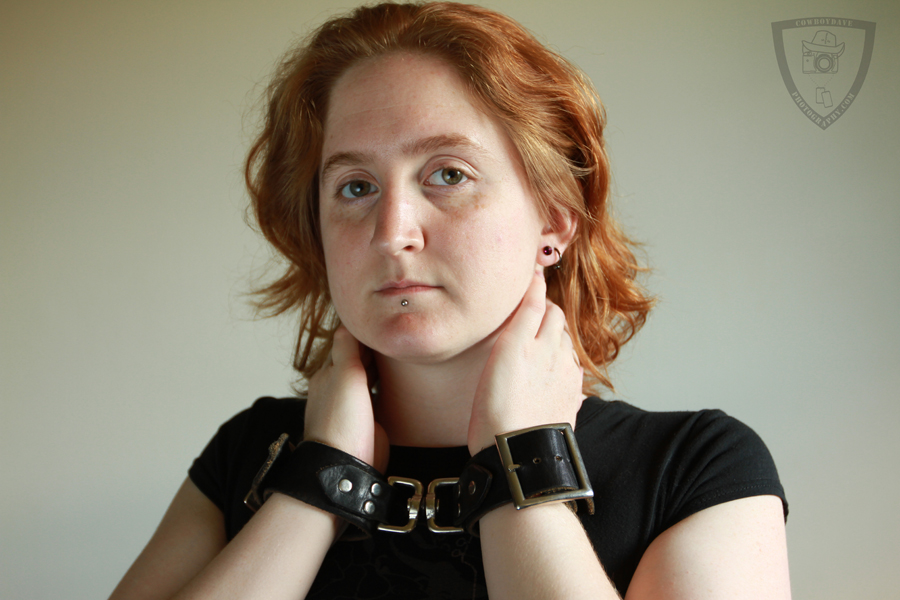
Light bondage is where the model is posed restrained or tied up. There are several things to note about this. Light bondage involves blindfolds and simple, easily removed restraints (often able to be removed by the model themselves), and the model retains the ability to speak / communicate easily. Light bondage CAN, but DOES NOT automatically involve nudity. PHOTO AND VIDEO SHOOTS ARE NOT KINKY BONDAGE SESSIONS. No actual BDSM play should occur without express permission by everyone involved IN ADVANCE.
HEAVY BONDAGE
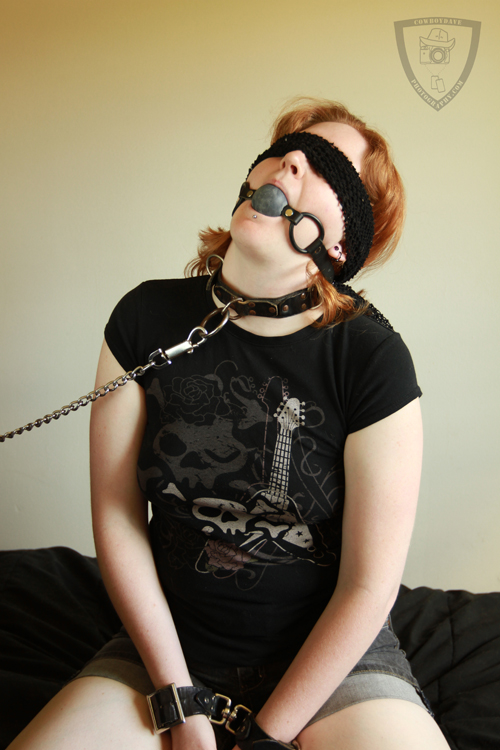
Heavy bondage starts to get into more extreme poses. Typically, bondage is considered heavy if the restraints cannot be undone quickly (or by the model involved themself) and the models ability to speak or EASILY communicate is severely restricted. Heavy bondage often involves complicated knots that are difficult or slow to undo and / or ball gags which restrict the model’s ability to free themselves, or reduces their ability to call for help. This creates a delicate situation which needs to be handled with care and discussed at length before hand. Safe words and / or signals should always be set up in advance so the model has a means of communicating distress. PHOTO AND VIDEO SHOOTS ARE NOT KINKY BONDAGE SESSIONS. No actual BDSM play should occur without express permission by everyone involved IN ADVANCE.
ROPE WORK
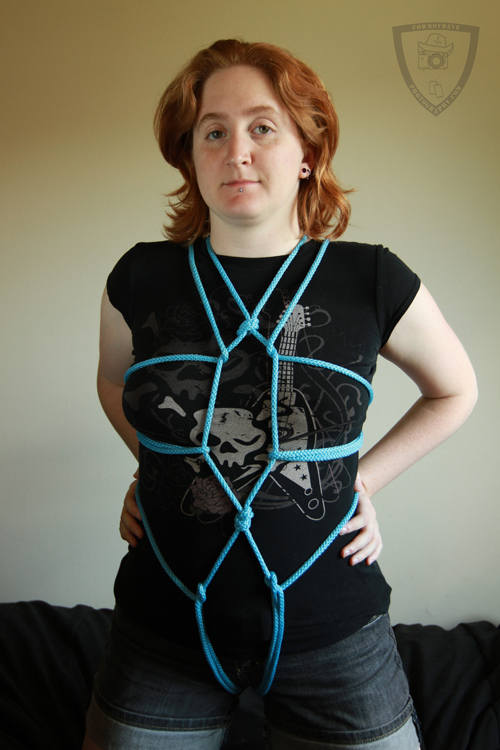
Rope work is popular due to the pretty designs made. Note that rope work DOES NOT automatically mean leaving the ground. Models should not leave the ground or be suspended unless they AND the person tying them are experienced and agree to leave the ground ahead of time. Rope work DOES NOT automatically involve nudity. PHOTO AND VIDEO SHOOTS ARE NOT KINKY BONDAGE SESSIONS. No actual BDSM play should occur without express permission by everyone involved IN ADVANCE. WARNING, knots can be VERY dangerous. Which knot is used can be as dangerous or even more dangerous than what position someone is tied in. Some knots are known to cause permanent nerve damage if used. It is imperative that training is completed and a level of competency shown before rope work is attempted. If you plan on being tied up, it is STRONGLY suggested that you yourself attend classes so that you can identify good from bad ropes, knots, and positions. This way you can ‘test’ the knowledge of the person tying and verify their level of knowledge before the first rope is tied. Also ensure medical scissors are present and readily available so that in the event of a problem, the subject can be cut free. Far better to destroy ropes then a person’s health.
SUSPENSION
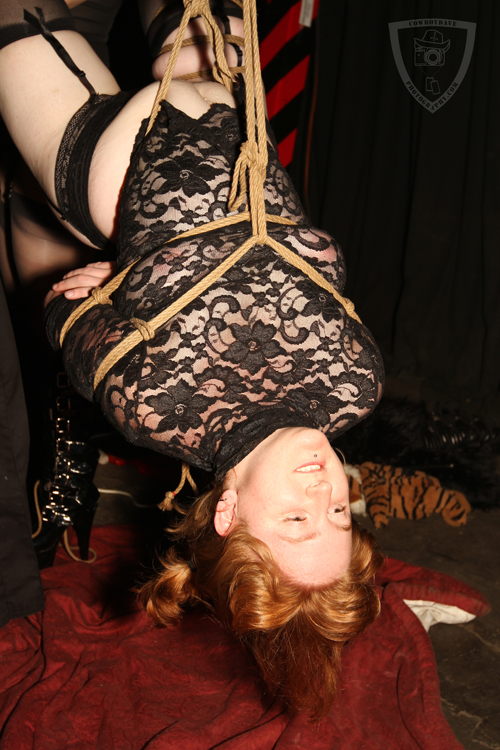
Suspension is when rope work leads to the model leaving the ground. Rope work can be very dangerous and should ONLY be attempted by experienced people (both the person tying and the model being tied). This involves a lot of good communication ahead of time. Suspension does not automatically involve nudity. PHOTO AND VIDEO SHOOTS ARE NOT KINKY BONDAGE SESSIONS. No actual BDSM play should occur without express permission by everyone involved IN ADVANCE. WARNING, knots can be VERY dangerous. Which knot is used can be as dangerous or even more dangerous than what position someone is tied in. Some knots are known to cause permanent nerve damage if used. It is imperative that training is completed and a level of competency shown before rope work is attempted. If you plan on being tied up, it is STRONGLY suggested that you yourself attend classes so that you can identify good from bad ropes, knots, and positions. This way you can ‘test’ the knowledge of the person tying and verify their level of knowledge before the first rope is tied. Also ensure medical scissors are present and readily available so that in the event of a problem, the subject can be cut free. Far better to destroy ropes then a person’s health.
FINE ART
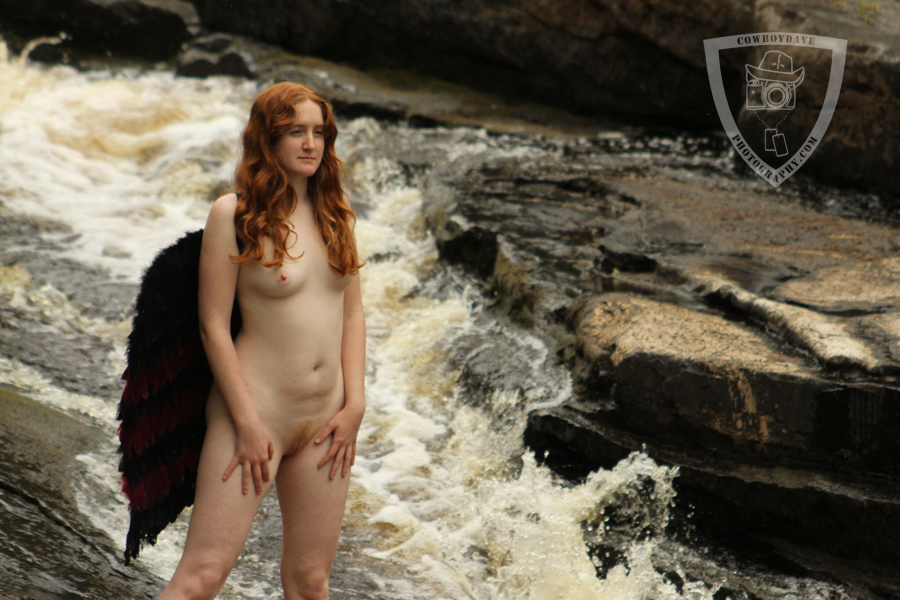
Not all nudity is inherently sexual or erotic in nature. Fine art nudes are images that explore the human form in artistic ways. The intent is of an artistic nature rather sexual. These often depict nudity in nature or posed in artistic, thought provoking ways. It is noteworthy that art nude CAN be explicit in nature. Explicit images, if shot correctly, can be thought provoking and artistic. It is also worth noting that everyone’s artistic eye varies and the line between fine are and erotic art can by fuzzy and dependent on the viewer. It is therefore extremely important to discuss what your definitions of fine art is. Good and ongoing communication is key. Even during a shoot, it is OK to ask to see an image that has been taken to ensure it meets your definitions. But be aware, just because an image does not meet your definition of artistic nude, does not mean the photographer is intentionally crossing a line. It is possibly for an image to be outside your scope of fine art but to be well within theirs. It is way too easy to jump to the conclusion that intentional misconduct has occurred when in fact it was just a misinterpretation of vague definitions. Again, communicate, communicate, communicate…
EXPLICIT
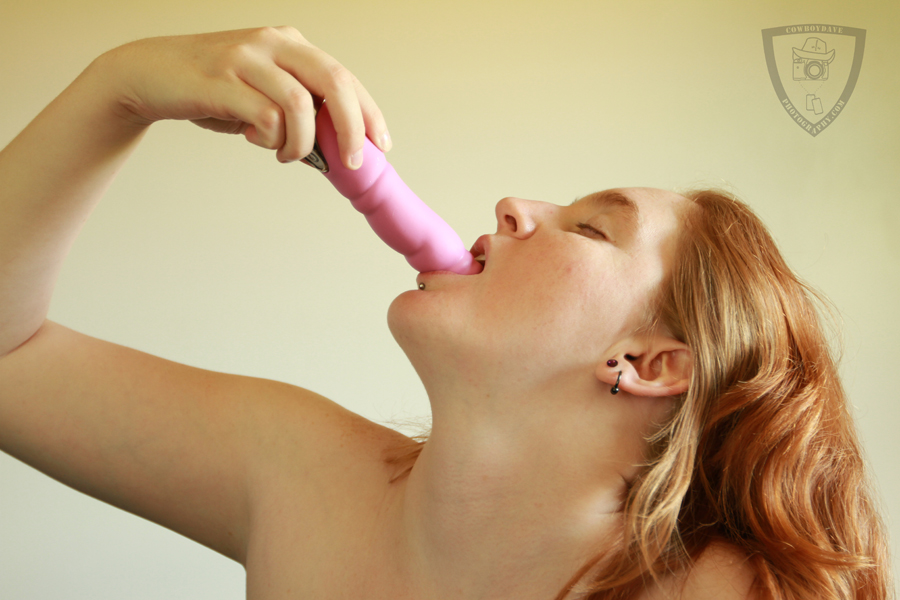
Explicit material is any material that is overtly sexual in nature. This often involves sexual poses, acts, or any penetration. If you plan on doing explicit content, make sure there is good communication and you know what you are agreeing to up front and know where your boundaries lay.
OPEN LEG / CLOSE UP
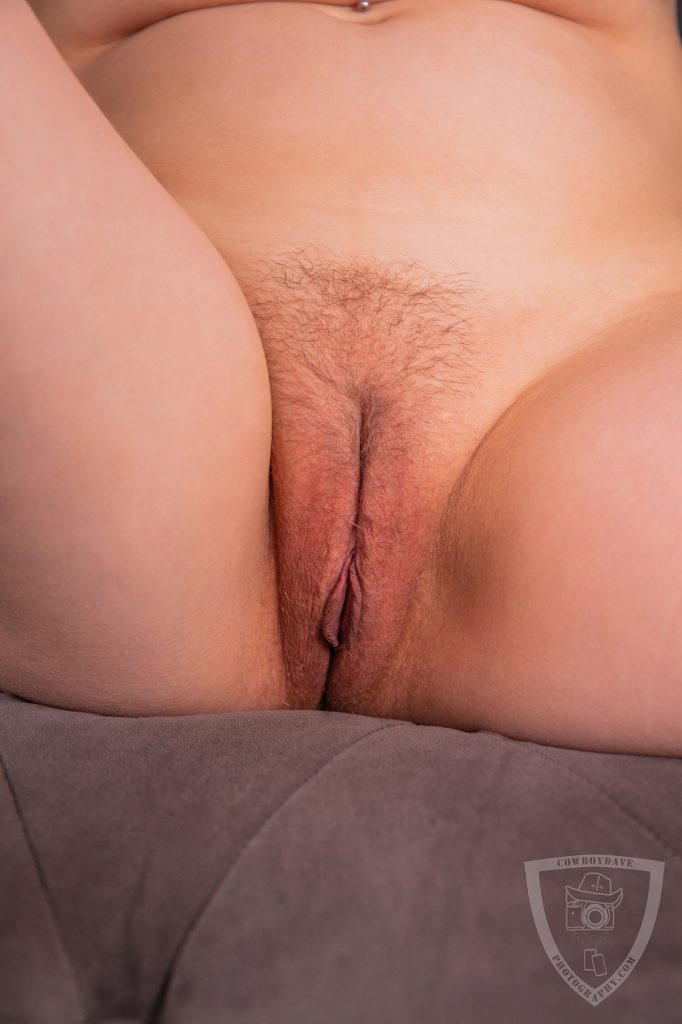
Open leg is any shot that shows the genitals in an open and clear way. Close up is exactly how it sounds and is any image consisting mainly or entirely of the genitals. NUDITY DOES NOT AUTOMATICALLY INVOLVE OPEN LEG OR CLOSE UP SHOTS. Open leg / close up shots need to be negotiated before hand. It is worth noting that there are both more artful open leg / close up images – referred to as ‘playboy style’ or ‘artistic style’, and more sexual based images often referred to as ‘penthouse style’ or ‘porn style’ and which of these styles that would be acceptable during a shoot should be discussed. Please note that the difference between these two styles can be in the eye of the beholder and should be discussed thoroughly before hand. It is quite acceptable to ask to see an image after it is taken to review acceptability and ask for the image to be deleted if your definitions are not met. Once again, definitions vary between individuals so try not to get upset if a particular image is outside your scope, it is impossible for someone to read your mind and their definitions may differ from yours.
I hope this helps clear things up for both models and photographers / videographers and facilitates good communication. Please let me know if there is further clarification needed or if you have feedback on my definitions.